Showing posts sorted by relevance for query most expensive corvettes. Sort by date Show all posts

Wednesday, November 22, 2006

The most expensive Corvettes. Over a million a piece


1953, 3rd built. $1.08 mil. This was a test mule for GM, things like 14 hour cold room shake testing, and 5000 mile Belgian block test.

Side bar: John Wayne bought #51, Corvettes #004-006 are the first Corvettes sold, delivered to executives of the DuPont Company.

http://www.islandnet.com/~kpolsson/vettehis/index.htm

The first Corvettes were actually "rolled" off the assembly line. Chevrolet was not prepared for grounding to a fiberglass body; the cars would not start.

The only thing really new on the 1953 Corvette was the fiberglass body. Everything else was directly off the Chevrolet parts shelf. Because of this, the first Corvette was essentially a regular 1952 Chevrolet that looked like a million dollars!

Of the 314 Corvettes hand built in 1953 only 183 were sold because of "average" performance at such a high price, $3513 the Jaguar Xk120 sold for $3345, $168 less than the Corvette.

Saturday, August 04, 2012

Corvette Sixty Years, by Randy Leffingwell

By the numbers
 5 chapters
129  pieces of paper between the covers

 Quality photos: about 378 (I may have miscounted a couple) 232 are color photos. Regardless of color or black and white, the images are outstanding and high quality

 Period ads: none, but plenty of period publicity photos. Good ones. Plus plenty of design sketches and drawings

Something that is important to remember when reviewing this book, the primary focus of it was information and photos NOT in the authors previous 4 Corvette books, and the other best Corvette books on the market. It makes it less simple to judge the book based on information you might be looking for but not finding, as that might be very well left out intentionally if published in "Corvette 50 years".

form and layout
Lots of photos per page to illustrate the text.

Chapters
1 In the Beginning, the birth of the Corvette
    the design process, the prototypes, and the mistakes made

2 Domination to Disco, the 2nd and 3rd generation Vettes

3 Reclaiming the throne, the 4th, 5th, 6th generations

4 Racing, Beating the worlds best

5 Community action, the people and places

what do I know about Vettes not covered in the book
  Most expensive, most rare, and stats like that. This book has each model stat by engines, convertible vs hardtop, etc, and purchase price.

things I learned that I did not know
 The author, Randy, has 4 books previous to this on Corvettes. I'd say that makes him an expert. Randy has 130 Corvette books in his collection, and unknown amounts of magazines
  The breakdown of options that customers preferred, as in, the most ordered option, the most ordered color, the least desired option almost no-one bought.
 Duntov's rocky road and near firing when working at GM. Intriguing reading of how GM design, engineering, and management mishandled the Corvette.

overall impression
  Thoroughly well done, you're getting more than your dollars worth with this book. It's a damn good book, a damn fine written documentary, and exhaustively researched look at the Corvette history

Surprise
  The last chapter on the Corvette specific car shows, websites, car clubs. Very cool to see this in a book, as most authors ignore the mundane reality of what happens when a car is in use, by it's owner. Randy did a great job of telling the history of the Carlisle event, the NCCC, etc plus websites dedicated to the Vette

Complaints
 I had hoped the engine designations would be explained so they are understandable ie: L71, L79, L36, L68 etc etc
 The 4 sidebars of the V-8 engine, isn't that a good clue that you should have made a chapter on the engines, power trains, and engineering, instead of breaking into the chapter storyline like a news bulletin?
  Editing was not good (I'm self editting for years, and it's easy to criticize if you can tell how to improve it) and print on pages 98 and 103 was blurry (printed in China)
 The U-6S was mentioned once, but never explained, (so I still don't know if it meant the paint, turbo, or outsourced engineering)  page 135
an example of how Google book search works:
http://books.google.com/books?id=qgFK7fwC9v0C&pg=PA135&lpg=PA135&dq=rpo+%22u-6s%22+corvette&source=bl&ots=STRzuPP-Bw&sig=0cJmvbgvanjOPxGvXpSyF3ogj_I&hl=en&sa=X&ei=RpkdUKqmKKyujAKU3IGABA&ved=0CD0Q6AEwAA#v=onepage&q=U-6s&f=false

I don't like the "Continued on page ..." format when I'm reading. I read books, and that's not the way to make a good book. Take all the interruptions, and make a chapter of them. A chapter on Zora Duntov alone would have been a good editing choice, instead of interspersing information about his moments throughout the other chapters

In this book, the interruptions of the storyline are all the biographies of the guys, and some design sidebars, that made the Corvette happen in many ways, those are great. No complaint about the number, quality of research, editing, or plethora of information ... just the inappropriate locations that are out of context, and better off as a chapter to themselves

Sidebars

Bios: Sloan, Earl, Duntov, Mitchell, McLellan

Design: The Blue Flame engine, Corvettes in American culture (x2), fiberglas, the V-8(4 sidebars), fuel injection, 63 Split Window inspiration, acronyms of the body models, smog legislation, factory show cars, Callaway Vettes, production numbers by year chart, product change vs model longevity (engrossing and thought provoking), the 2013 model convertible news, CERV I, CERV II, Grand Sport, pace car editions, Le Mans,

For a terrific interview with the author, from the experts on Corvettes, Vette Magazine http://www.vetteweb.com/lifestyle/vemp_1204_corvette_history_0_to_60_years/index.html

Price, about 30 dollars from various retailers on Amazon http://www.amazon.com/Corvette-Sixty-Years-Randy-Leffingwell/dp/0760342318/ref=sr_1_1?ie=UTF8&qid=1344118702&sr=8-1&keywords=corvette+60+years

Wednesday, November 22, 2006

The most expensive Corvettes. Two to Three million


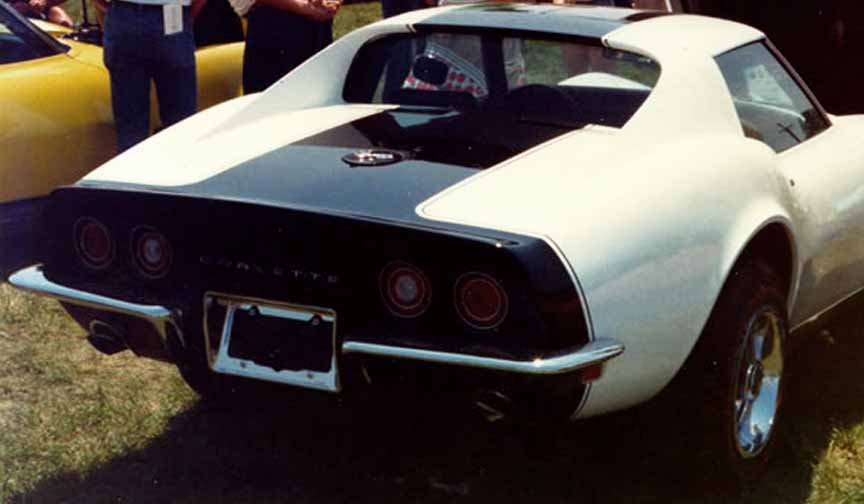
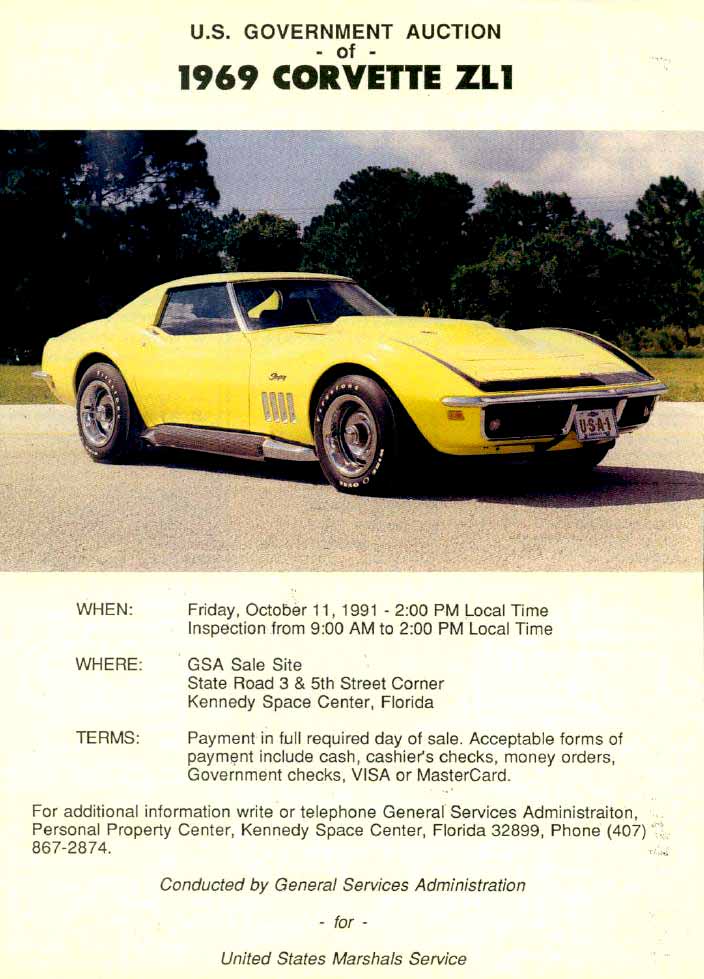
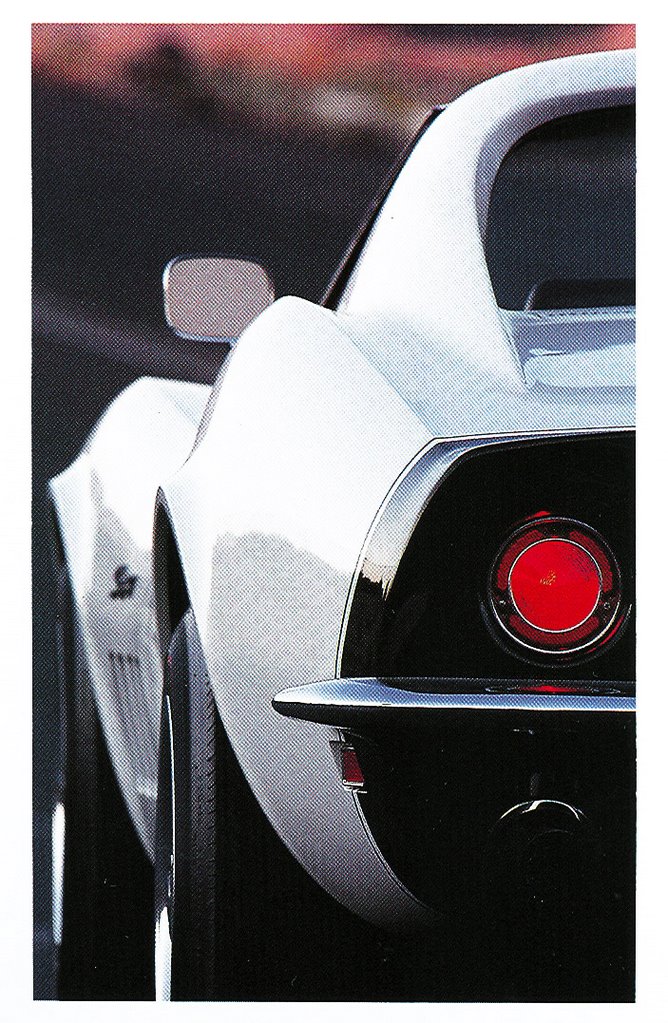
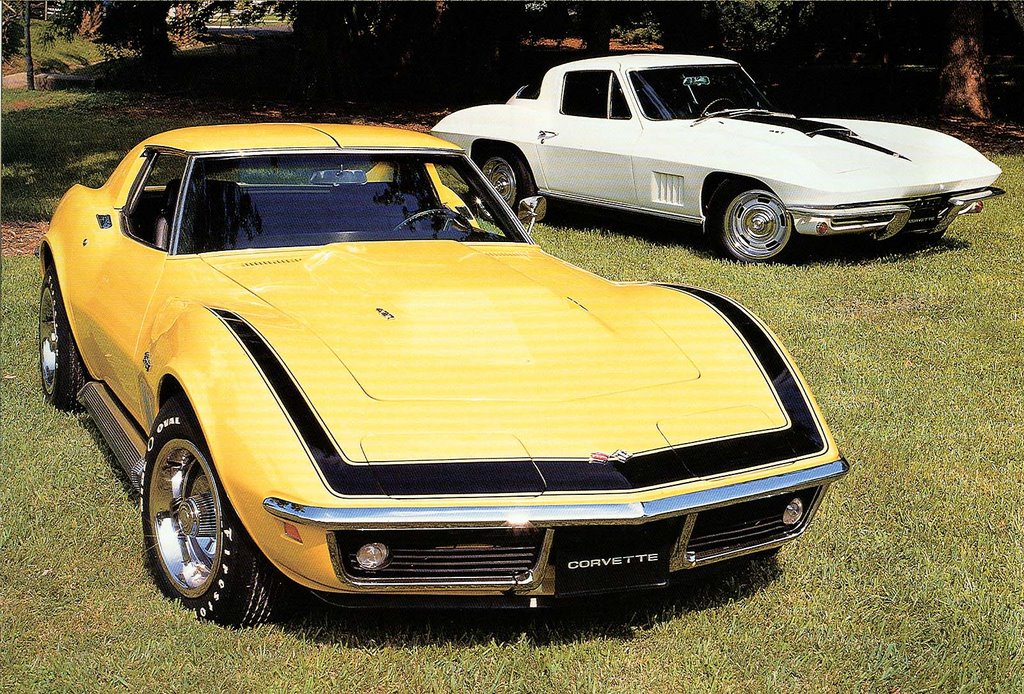
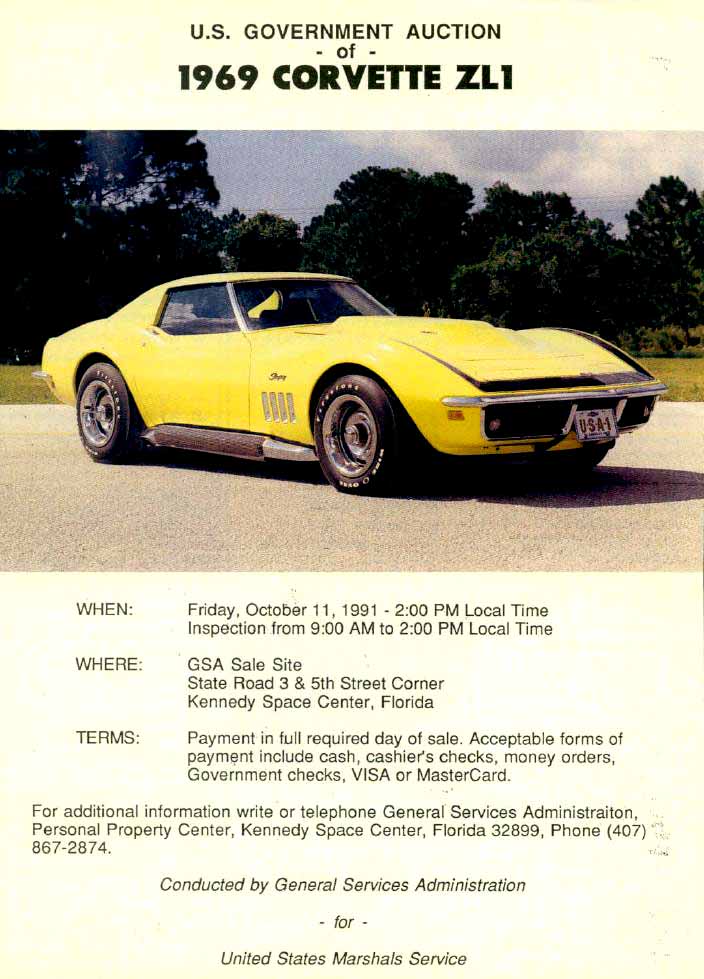
Only 2 known ZL-1 Corvettes. Aluminum 427 engines. When tested by magazine types, one ripped off a 10.89 sec at 132 mph on 9 inch slicks.

http://www.autofacts.ca/classics/FAPC/ZL1Corvette.htm for all the info. The yellow one was seized in a drug bust for cocaine use.

A good history of the white one. Drag raced for about 2 years, then sold.
http://corvettes-musclecars.com/cgi-bin/emAlbum.cgi?c=show_thumbs;p=1969%20Corvette%20ZL-1%20427-430HP

http://www.corvettelegends.com/zl1.htm A brief and good history of the ZL 1 Corvette

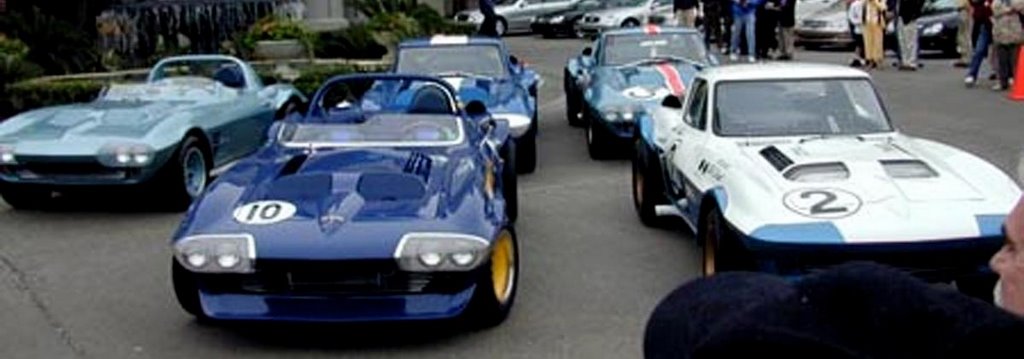
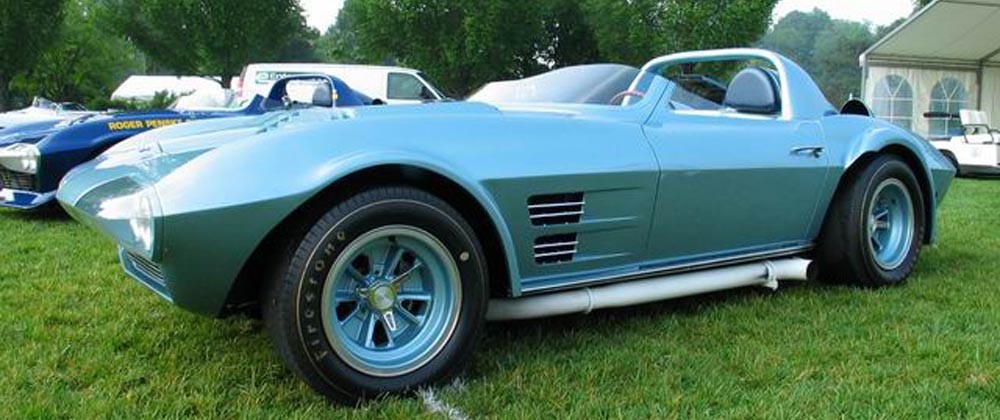
The most expensive Corvettes, five lightweight Grand Sport race cars


In 1962 Corvette chief engineer Zora Arkus-Duntov came up with a lightweight version of the C2. Concerned about Ford and what they were doing with the Shelby Cobra, GM planned 100 Grand Sport Corvettes. The plans never came about and only five were built.

They were driven by historic drivers such as Roger Penske, A. J. Foyt, Jim Hall, and Dick Guldstrand among others. The Grand Sports, however, had many issues; the aero package made for a very frightful driving experience to say the least. Delmo Johnson said it was "the only car I ever drove that would lift the front wheels off the ground in all four gears." Dick Thompson was the only driver to drive the Grand Sport to victory. He won a Sports Car Club of America race at Watkins Glen. Today all five that were ever built survives, car 001-005, all held by private owners.

http://en.wikipedia.org/wiki/Chevrolet_Corvette_C2

http://www.grandsportregistry.com/63_history.htm

Tuesday, January 13, 2015

a very rare Corvette is up for sale, a 1956 SR-2

This car, #2522, had the highest priority with no cost spared. Work began in May ’56 modifying the body, brakes and suspension. Special windscreens were installed for driver and passenger. The parking lights were removed allowing air to flow for front brake cooling.

 Dr. Dick Thompson completed the six hour race with a respectable finish. Jerry Earl continued to race the SR-2 throughout the 56-57 seasons and sold the car in 1958 to Jim Jeffords.
I don't know wtf a "Private Treaty" is, (might be so the new owner remains anon/mystery) but it's something semantically chosen instead of saying, Ebay Auction. Why he's trying Ebay instead of auction house companies like Mecum, Russon and Steele, or Barrett Jackson is a mystery, but it's likely just opportunistic greed. It's not really the Ebay where you bid, and the competition bids, until someone is willing to pay the most and wins the auction. Not anymore, now people just say "Here's the buy it now price".

Don't expect that this is going to sell, or is anything more than a publicity stunt to get people spreading the word (guilty) that this is possible to pry loose from a collector for a ridiculous price. Like that is a surprise.

It's got a fuel injected 327, 30 over. Jim Jeffords bought it, brought it to Nickey Chevrolet, and Auggie Pabst was his backup driver.

3 SR-2s were made, one for Harley Earl's son, one for Bill Mitchell.

Images from Ebay

Not even in the realm of worth over 2 million. http://justacarguy.blogspot.com/search?q=most+expensive+corvettes it's not a 53, or the Bill Mitchell vette, not an L88, or a ZL1, nor is it a Gran Sport. 

Wednesday, November 22, 2006

The most expensive Corvettes. One to one and a half million


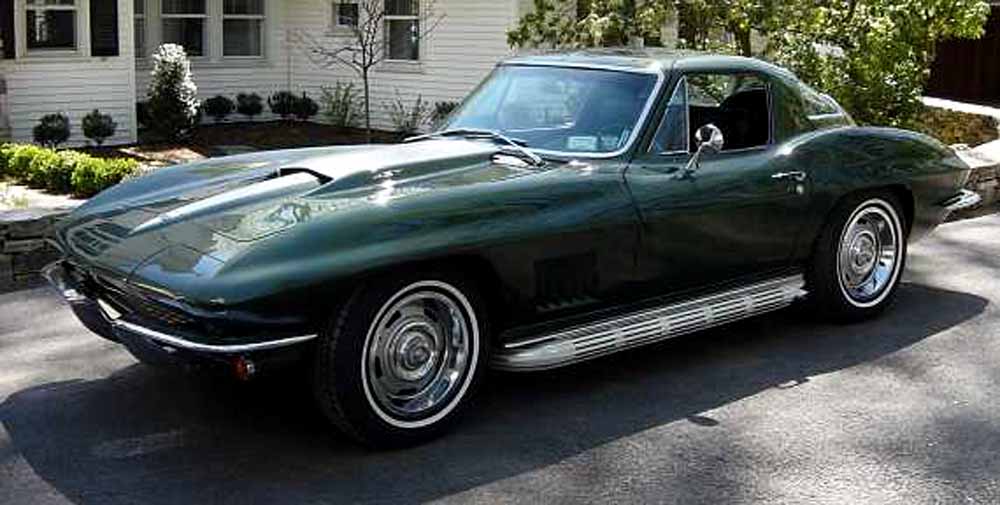
1967, L88, 427 four barrel, aluminum heads. 18 remain.


The L88 with 12.5 to 1 compression, hi-lift cam, 850 CFM 4 barrel carb and aluminum heads was under-rated at only 430 HP. L88s actually have been dyno-tested at 560 HP. How could GM do this without it being called false advertisement? Easy -- the publicized rating of the L88 actually was its true horsepower. Chevrolet just neglected to point out that this horsepower rating was at approximately 1000 RPM under the peak performance RPM of the L88.

The most expensive Corvettes.


Both the 1957 SS and the 1958 Mitchell are at http://justacarguy.blogspot.com/2006/11/only-time-super-sport-was-ever-applied.html#links

Sunday, November 27, 2016

The Complete Book of American Muscle Supercars, book review


The first thing you'll immediately enjoy, the cover is cool because the hoods of the two cars on the cover bend up.


That is pretty cool. Book covers rarely have a cool gimmick like this


and the pre content pages, and the 1st page of each chapter, are all like this, striped. I dig that.

Ok, 1st impression: Damn, this is a good book with a lot of content. Some surprise content, a lot of thorough research, and good coverage of the past and present, and an amazing job of getting the rare stuff from the 80's and 90's covered.

But the errors in the editing might drive you nuts. Like the page (page 70) that starts to talk about Carroll Shelby's start in racing ends with the beginning of a sentence "His next" and on the next page the sentence doesn't continue.

Or the caption on page 137 being about Callaway Corvettes, but the photo is of a Trans Am.

Or the misspelling (only on a couple pages) of Ricaro, not Recaro

By the numbers:
221 pages
14 chapters
and there are a ton of photos
Takes about 7 hours to read

So, let me dive into why you'll enjoy this book anyway - wow, what a lot of cool cars to read all about. Who made them, how they got started, and what they did to make their cars cool.

Yenko, Balwin Motion, Callaway, Hurst, Shelby, Royal, Mr Norm, Nickey, Saleen, and a couple small businesses I've never heard of, PSA for example.

Some cool stuff I learned from reading, Royal Bobcats were the name of the car, not Catalina... and why? Because the letters stuck on the tailpanels of Bonnevilles and Catalinas could form the word Bobcat, and nothing else much that was cool.

Tom Hoover was racing a 66 Hemi Coronet, and put 1957 Fury hubcaps on it.

The Silver Bullet GTX, was owned by a Jimmy Addison who worked at a Sunoco gas station. It ran 10.30 in the 1/4, at 132 mph on slicks. With a 440.

The Silver Bullet GTX was so notorious around Detroit, that a Firebird was developed by Jim Wangers specifically to beat it, steal it's street credibility as the fastest car in town, and get the mojo, the Blackbird, a ’68 Firebird with a 462 cu in and Ram Air IV heads. In 1971 it was run on the track by PHR and it had mid 11s at 126. There was more in it, Wangers wasn't showing all his cards to the competition.

Yenko shotpeened the steering gear, (tie rods, steering knuckles, arms etc) and tuftrided the spindles. The stripes on the sYc Camaros were painted on by his daughter and her friends for 5 dollars a car.

Hedrick's 1969 sYc Yenko Camaro dominated super stock in the NHRA, 11.94 at 114, winning the title for Chevrolet, who wasn't going to be involved in racing due to their self imposed ban on racing, but Chevy still used this championship for self promotion and sent copies of the National Dragster to all the dealerships with Hedrik's Camaro on the cover.

Mr Norm found that a stock hi po 383 was only putting 180 hp to the ground, as he had put in a dyno into his shop, so he had the mechanics get it up to 235 for each hi po 383 powered car he sold, and dyno'd it in front of the customer.

All customers of Mr Norm became part of his club, and that got them into concerts and other things... and his favorite group was the Buckinghams, who were known for the songs "Hey Baby (they're playing our song)" and "Kind of a Drag" and were known by Billboard Magazine as the "Most Listened to Band in America"

Mr Norm was the 1st dealership to get ahold of the race hemi in 1964, put it into a Polara, and announced it was the only production car guaranteed to run 11s off  the showroom floor. Two years before the street hemi, and a year before the general availability of the race hemi.

Mr Norm was putting 6 pack carbs on Demons and Dusters, and topping them with a air filter top, that was a Ford part.

Joel Rosen of Motion Performance, and Baldwin Motion fame... chose the name Motion from an electronic ignition system part for Corvettes

In 1959 a rich Texan oilman named Laughlin bought 3 Corvette chassis and sent them to Carrozzeria Scaglietti. He kept one, gave the other two to his fellow Texans, Carroll Shelby, and to race car driver Jim Hall.

Phil Remington made the 1st Cobra Daytona coupe body, and the other 5 were made by Carrozzeria Gransport in Modena

Sunbeams (Alpine, Tiger) were named after Sir Malcolm Campbell's 1926 land speed record car which was also owned by the Rootes group

The Sunbeam Tiger was built by Jensen cars, not Sunbeam. That sort of makes sense when you consider they made the 383 powered interceptors

The Tiger sold for $3400, and won the 1964 B Production SCCA Championship over Jags, Vettes and Cobras, and won the 1965 Monte Carlo Rally

Carroll Shelby auctioned off a lot of his cars in 1995, but kept his Tiger

Shelby built 2.377 GT 350s in 1966, and 1001 were for Hertz, and 4 convertibles prototypes, 3 for Ford, and one for Kingston Trio singer Bob Shane. Bizarre huh? !

The editor of Sports Car Graphic was Jerry Titus, he had been the manager of the shop that maintained the birdcage Maserati that Shelby took to the win of the 1960 USAC Championship, and he took a GT 350R to within a second of Ken Miles time. Miles was Shelby's driver. Titus went on to be the 1967 SCCA Trans Am Champ.

The Shelby GLH caused BMW to pull their ads claiming the 535i was the fastest sedan sold in the US

When Shelby bought the remains of the bankrupt company that had the parts from his failed Series one, he tried to make and sell Series II, but they went from a proposed 100 thousand dollars to a 182 thou.

By 2006 Ford owned Hertz, and that is why they got GT350s again

The prototype Olds 442 was built by Doc Watson, and he built it with foldaway headlights from the GTO parts bin, and a wing that popped vertical to be an air brake when the bakes were applied. George Hurst loved it so much he chose it to use as his daily driver for a while

Hurst made 25,000 taxis for New York with lowered floors to meet the Taxi Authority passenger room requirements

Sunbeam Electric of Chicago had some strange reason to buy up shares of Hurst until they owned the majority, and forced George Hurst out

Saleen's secretary never assigned a serial number 6 to a car VIN, and they keep that tradition by never giving a new Saleen the 6th VIN

Callaway's 1st turbo kit was built in his garage for a BMW 320i while he was a driving instructor at Bondurant School of Driving

Reeve's Callaway took every car for a drive before selling them, making sure each one was flawless, and no other super car company has ever done that I've ever heard of, not Ferrari, Porsche, Lamborghini, etc

The 1989 Indy Pace Car was the 20th Anniversary Trans Am was the first pure production car that paced the race, except Pontiac didn't build them. PAS did. Prototype Automotive Services.

The 20th Anniversary Turbo Trans Am was powered by a Buick GN turbo V6

The GMC Syclone was first given to ASC/McClaren to prototype, after PAS approached GM about making a fast S10. PAS learned about that, and made their own version... but they used the all wheel drive approach and a Buick GN engine. There was a drag race to determine who would get the contract.

For the production Syclone they used the Astro Van awd, it happened to be from the same chassis as the S-10/Sonoma

GM was sued by the collectors who had been promised that there would only be a limited number of the 454SS, and found that GM made a lot more than they'd said. (hadn't they heard about the "limited number" of the '78 pace car Corvette? )

BF Goodrich was so sure the Radial T/A was the most capable tire made, they put the street tire to the test in the 1970 and 71 SCCA Trans Am races, and won while competing against racing tires and stickier racing compounds, on Larry Dent's Firebird, and he won his class at Watkins Glen in 71. They then called his car the Tirebird

The Viper concept show car was built with help from Boyd Coddington, who made the tube chassis and supplied the rims. The engine was made from a pair of 360s by Roush

The SRT 4 Neon was fitted with Viper front seats

What is missing though, is the factory lightweights and factory race cars. Thunderbolts, Super Stock Darts, SS Barracudas, SS AMX, A19 Road Runners and Super Bees. Maybe those cars aren't meeting the descriptions of "American Muscle Supercars, as they are more drag racers than autocross racers.

you can page through the first 26 pages here: https://books.google.com/books?id=zUX2DAAAQBAJ&pg=PA4&lpg=PA4&dq=The+Complete+Book+of+American+Muscle+Supercars&source=bl&ots=zVX9r06rda&sig=n6XqCHbN-3l2BFfXVR-ted-iX4o&hl=en&sa=X&ved=0ahUKEwikiKKb0cnQAhUP7WMKHVo7Aw4Q6AEIajAK#v=onepage&q&f=false

least expensive place to buy seems to be Half Price Books for about 30 dollars https://www.hpb.com/products/the-complete-book-of-american-muscle-supercars-9780760350065

which is about the same price as Amazon https://www.amazon.com/gp/offer-listing/076035006X/ref=tmm_hrd_new_olp_sr?ie=UTF8&condition=new&qid=1480274712&sr=8-9

Since 1983, Tom Glatch has contributed hundreds of stories and photographs to major Corvette, Mustang, muscle car, and Mopar magazines. Tom grew up during the muscle car era, and his first car was a very quick 1970 Plymouth Duster 340. When not pursuing old muscle cars, Tom works for a Fortune 500 corporation as a data and systems analyst and developer.

Tuesday, May 08, 2018

the 2019 ZR1 is now the most powerful production car you can buy with a manual transmission in this country. It's also rare, and expensive.

A look at the local Chevy dealership shows they have a handful of Z06 Vettes for around 105k

And dozens or more of the standard base Corvette 1LT and 2LT. They are around 70k. Who cares.

So, the ZR1 is the one to get if you're serious about getting the best toy, sports car, or investment.

There are only 5 showing up in a quick Car Guru's search, and they start at 175k for the ZR1 3ZR version, what ever the hell that is.

145k plus the typical 30k markup for having a rare new car in stock. http://www.delillo.com/VehicleDetails/new-2019-Chevrolet-Corvette-Convertible_ZR1_3ZR-Huntington_Beach-CA/3206086053

By the way, that's about 2300 a month for 6 years.

I wonder what insurance companies would say to be about a ZR1... probably nice car, good luck finding insurance!

I'll tell you what it is, waiting until the Viper isn't being made anymore, and then finally making the best Vette they could, for the same price as a Viper, where when the Viper was around, it was always under cut on price by Corvettes

Saturday, July 01, 2023

I went out and played with my old car today, (jfcoac those drum brakes are useless) to get the "before upgrade" info


it turns out that with a full tank of gas, it weighs 4200 pounds


in this photo you can see 4 splotches of white paint where I hauled it down from 60 mph, it was surprisingly consistant, as the 3 marks on the far right oh the photo show that on the last two stops it was inches different. 

I used 60 mph as the speed for the brake test based on what I remembered from the Edmunds.com care reviews, and a 2018 Charger, for a similar car example, stopped in 102 feet. https://www.edmunds.com/dodge/charger/2018/review/ and weights 4060 pounds curb weight, also very similar

So, I measured these distances, and since 3 of the 4 tests were nearly identical, I'll ignore the one, and let you know that at best, this 69 Dodge R/T stops in 220 feet, when carefully only using brakes, in neutral, without letting the tires lock up. 

Being curious, I then tested my commuter, a 2015 Hyundai Veloster Rally, as it's as close to the best modern tires, disc brakes, suspension, and soft compound tires with ABS made I suppose, oh, sure, anything 5 times more expensive might stop 10 feet shorter, Corvettes, Porsches, etc, but, for a 25k priced car, I think it does quite well. It stopped in 90 feet. 

These tests aren't the most scientifically conducted, I used a speed limit sign as the marker to start putting on the brakes, and opened the door and reached down with a can of underground utility marker spray paint to mark where it stopped... but these are decently done to see what the brakes can do in a panic stop situation, and I hope you test yours too... or if you're in a car club, get the whole gang together and use this testing to see who needs to adjust, upgrade, etc their tires or brakes 

Thursday, December 12, 2019

it's not easy finding photos of astronauts with cars, that aren't the famous Corvettes... but once upon a time, Alan Shepard and Apollo mission astronauts went to the "Craters Of The Moon" national park. I kid you not. What they were driving, I'm not sure but it was a 1968 to 1970 model


On August 22, 1969, less than six weeks after the first lunar landing, astronauts Gene Cernan, Alan Shepard, Joe Engle, and Ed Mitchell visited Craters of the Moon National Monument in southern Idaho.

The four men had been selected to participate in the Apollo 14 mission. All were superbly trained astronauts with a wealth of experience to call on. Cernan had, in fact, already paid an orbital visit to the moon. (He was the lunar module pilot of the Apollo 10 mission, the "dress rehearsal" for the Apollo 11 lunar landing.) None of the men was a trained geologist, though, and that was the problem.

Lunar rocks are very difficult and expensive to collect (only about 850 pounds have ever been brought back to earth), so it’s very important that lunar astronauts be able to recognize the most valuable specimens to collect. It’s also essential that astronauts be reasonably skilled at recognizing various volcanic features and forms they might encounter on the moon so they can describe them accurately to geologists back on earth.

To acquire and practice these essential skills, lunar astronauts need hands-on experience with volcanic landforms and rocks similar to those found on the lunar surface. The places best suited to that purpose have reasonably fresh volcanic deposits and a variety of volcanic landforms not badly weathered or obscured by vegetation. Hawaii and Iceland have volcanic landscapes like that, and both have been venues for astronaut training. Another wonderful place to get the job done is Crater of the Moon National Monument.

https://www.nationalparkstraveler.org/2010/01/apollo-astronauts-visited-craters-moon5252
https://magicvalley.com/news/local/when-apollo-came-to-idaho-work-at-craters-of-the/article_9fd4eca3-33fe-56f9-8361-5daf6c98ac6e.html

PS,  that car is behind them turned out to be agreed by everyone, a 1969 AMC Ambassador! I probably would never have thought to look through the AMC cars to try and ID it... I was thinking GM something

PSS the Apollo 15 astronaut James Irwin carried a piece of volcanic rock from Oregon, and left it on the moon

When Jim Irwin was tapped to go to the moon himself on the 1971 Apollo 15 mission, his friend Floyd Watson took note. “I guess he’s been waiting in the wings, kind of seeing if he was going to get picked,” Miller said of his grandfather.

Watson went to Devil’s Lake, about 30 miles west of Bend, and retrieved a chunk of lava rock. Back home, he chipped off a little piece and stuck it in an envelope with a letter addressed to Irwin.
https://www.opb.org/artsandlife/article/apollo-15-oregon-lava-rock-moon-landing-jim-irwin-bend/


3 of the lunar rover trainers, the bottom one is named Grover


https://www.usgs.gov/media/images/astronaut-training-cinder-lake
https://cronkitenews.azpbs.org/2019/07/22/arizona-space-exploration-moon-landing/
https://www.history.com/news/moon-landing-apollo-11-training-photos
http://www.astronomy.com/galleries/news/meteor-crater-training-apollos-first-lunar-scientists

Tuesday, August 20, 2019

These are called "cross kart", or RX2, or ARX3, and it looks to me, is what we'd rather be zipping around in than a rally car that costs a 1/4 million and needs expensive parts. Also, it looks like a lot more fun than an indoor racing go cart


so if you have some great unused back woods dirt roads,


or gravel quarries,


or empty fallow fields

I think your only going to look at those locations with regret from now on, wishing (like me) that you had one of these, and some buddies with these, a day off work when you can all get together to goof off, and some gas.

Prices are steep... you can buy a new Camaro or Mustang for the same money, even used Corvettes! A complete base SIERRA starts at 40k, and the most commonly raced RX3 car is 50k.

But, it might just be cheaper to build your own, if you're a welder, with a 750cc engine and sequential gearbox from a Suzuki GSXR750 or some similar chain drive rocket. These weight about 650 lbs

It looks like, with very little research, that these cost around 40k in the USA, and the Semog is a European race cart, but these are built in the USA by Fast and Speed, Crosskarts USA,  Lyfe Motorsports / Sierra Cars, and called the CrossKart or ARX 3. You can even rent them at track days for $100 minimum - that's 25 per lap, 4 minimum - bring a helmet that is up to spec (good lord, you know you have to buy a new one every so often because some asshole keeps updating the stupid things in some minute way, then claiming the old ones he just thought were the best thing ever are now unsafe? Fucking mook is not wasting HIS money buying us a replacement)

The ARX 3 is a new introductory-level rallycross machine with 200hp six-speed at 900lbs and 0-60 at about 2.8 seconds.

https://www.facebook.com/semogracing/
https://www.arxrallycross.com/news/2019/5/22/americas-rallycross-launches-arx3